
What Are Hydrogen Pipes Made Of? A Complete Material Guide
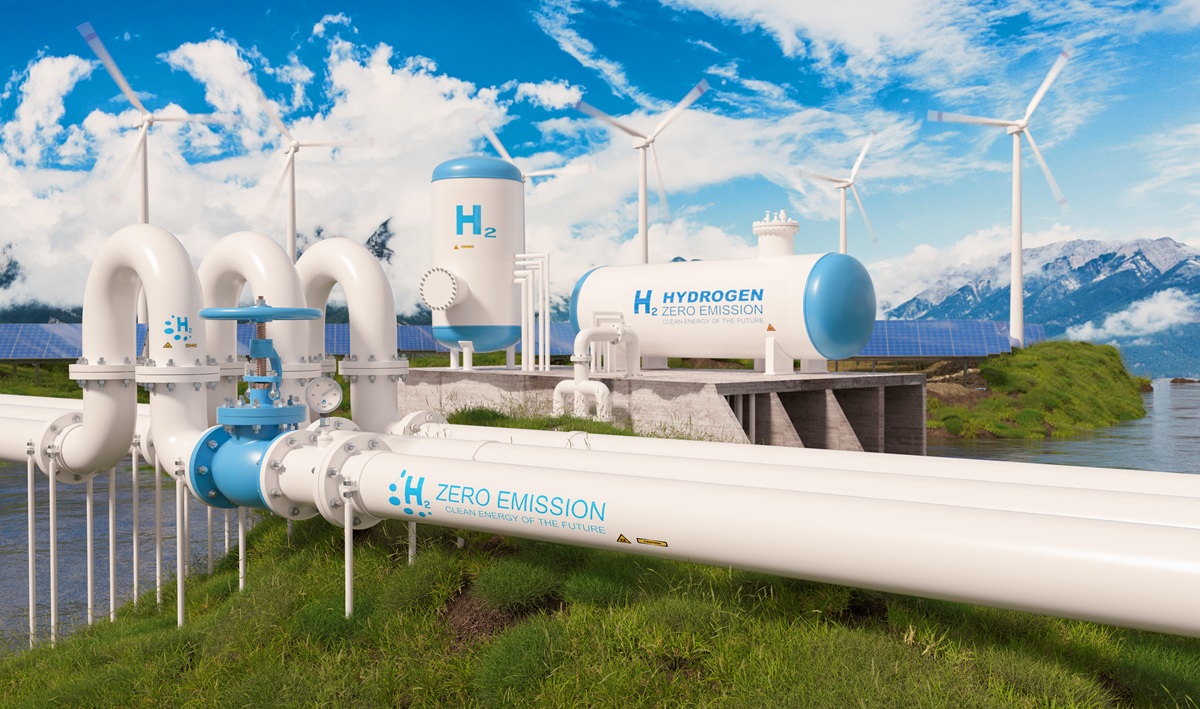
Hydrogen is increasingly being touted as a fuel of the future, a clean energy source capable of powering everything from cars to entire cities. But with this potential comes a crucial question: what are the pipes that will carry this volatile gas actually made of? Ensuring the safe and efficient transport of hydrogen requires careful consideration of materials that can withstand its unique properties. This guide delves into the world of materials science, exploring the options for crafting robust and reliable solutions for hydrogen pipe infrastructure. It’s a complex field, but understanding the fundamentals is essential as Australia moves towards a hydrogen-powered future.
Think of it like this: you wouldn’t use a cardboard box to carry water, would you? The same principle applies to hydrogen. Its small molecular size and reactivity demand materials that can prevent leakage, resist corrosion, and maintain structural integrity under pressure. So, what are the key contenders in the race to build the hydrogen pipelines of tomorrow? Let’s dive in.
Understanding the Challenges of Hydrogen Transportation
Before we explore the materials, it’s vital to understand why transporting hydrogen is such a unique challenge. Hydrogen molecules are incredibly small – much smaller than natural gas molecules. This tiny size allows them to permeate through many materials that would otherwise be perfectly suitable for transporting other gases. This phenomenon, known as hydrogen permeation, can lead to leaks, embrittlement of the pipe material, and ultimately, structural failure. Imagine trying to contain sand in a sieve – that’s the challenge we face with hydrogen.
Furthermore, hydrogen can react with certain metals, causing hydrogen embrittlement. This process weakens the metal, making it more susceptible to cracking and failure, especially under stress. It’s like a slow-motion corrosion that compromises the integrity of the entire system. Therefore, the choice of material is paramount to ensuring safety and longevity.
Key Material Considerations for Hydrogen Pipes
Several factors dictate the suitability of a material for hydrogen pipelines. These include:
- Permeability: The material’s resistance to hydrogen permeation. Lower permeability is crucial for preventing leaks.
- Tensile Strength: The material’s ability to withstand pulling forces without breaking. This is essential for handling the pressure of the hydrogen gas.
- Ductility: The material’s ability to deform under stress without fracturing. Ductile materials are more forgiving and less prone to sudden failure.
- Weldability: The ease with which the material can be welded together to create a continuous pipeline.
- Corrosion Resistance: The material’s ability to resist corrosion from hydrogen and other environmental factors.
- Cost: The economic viability of using the material for large-scale pipeline construction.
Common Materials Used in Hydrogen Piping Systems
Now, let’s look at some of the materials commonly considered for applications involving a hydrogen tube. Each has its own set of advantages and disadvantages.
1. Stainless Steel
Stainless steel, particularly austenitic stainless steels like 316 and 304, are frequently used in hydrogen applications. They offer good tensile strength, ductility, and corrosion resistance. However, they are susceptible to hydrogen embrittlement, especially at high pressures and temperatures. Modified stainless steels with lower nickel content or with the addition of nitrogen can improve resistance to embrittlement.
Think of stainless steel as the reliable workhorse of the materials world. It’s generally a good option, but it needs to be carefully selected and potentially modified to handle the specific conditions of hydrogen transport.
2. Carbon Steel
Carbon steel is a more affordable option than stainless steel, but it’s also more susceptible to corrosion and hydrogen embrittlement. It can be used in low-pressure hydrogen applications, but it typically requires a protective coating or lining to prevent degradation. Regular inspection and maintenance are crucial when using carbon steel for hydrogen transport.
Consider carbon steel as the budget-friendly option. It can work in certain situations, but it requires extra precautions and a vigilant maintenance schedule.
3. Aluminium Alloys
Aluminium alloys offer excellent corrosion resistance and are relatively lightweight, making them attractive for some hydrogen applications. However, they have lower tensile strength compared to steel and can be susceptible to fatigue cracking. Aluminium alloys are often used in cryogenic hydrogen storage and transportation, where the low temperatures mitigate some of the embrittlement concerns.
Aluminium alloys are like the lightweight contender, offering good corrosion resistance but requiring careful consideration of their strength limitations.
4. Polymers and Composites
Polymers and composites are increasingly being explored as potential materials for hydrogen pipelines. They offer excellent corrosion resistance and can be tailored to specific performance requirements. However, their permeability to hydrogen can be a concern, and their long-term durability in hydrogen environments needs further investigation. Research is ongoing to develop polymer and composite materials with improved hydrogen barrier properties.
Think of polymers and composites as the innovative newcomers. They hold great promise, but further research and development are needed to fully realise their potential.
5. Advanced Alloys
Advanced alloys, such as nickel-based alloys and titanium alloys, offer superior resistance to hydrogen embrittlement and corrosion. However, they are also more expensive than other materials. These alloys are typically used in demanding applications where performance is paramount, such as in aerospace or high-pressure hydrogen storage.
Advanced alloys are the high-performance option, offering the best resistance to hydrogen-related issues but coming at a premium price.
The Role of ASME Hydrogen Piping Standards
When it comes to ensuring the safety and reliability of the design and construction of ASME hydrogen piping systems, adherence to recognised standards is paramount. Organisations like ASME (American Society of Mechanical Engineers) develop and maintain comprehensive codes and standards that provide guidelines for the selection, design, fabrication, and inspection of piping systems used in hydrogen service. These standards cover various aspects, including material selection, welding procedures, pressure testing, and safety requirements.
Compliance with ASME standards helps to ensure that hydrogen pipelines are designed and constructed to withstand the specific challenges associated with hydrogen transport, such as hydrogen embrittlement and leakage. These standards provide a framework for ensuring the integrity and safety of hydrogen infrastructure, promoting public confidence in the use of hydrogen as an energy carrier.
Coatings and Linings for Enhanced Protection
In addition to selecting the appropriate base material, coatings and linings can play a crucial role in enhancing the performance and longevity of hydrogen pipelines. Coatings can provide a barrier against corrosion and hydrogen permeation, while linings can protect the pipe material from direct contact with the hydrogen gas. Various types of coatings and linings are available, including polymeric coatings, ceramic coatings, and metallic coatings. The choice of coating or lining depends on the specific operating conditions and the properties of the base material.
Coatings and linings act as an extra layer of defence, providing added protection against corrosion and hydrogen permeation. They can significantly extend the lifespan of a hydrogen pipeline.
The Future of Hydrogen Pipeline Materials
Research and development efforts are continuously underway to develop new and improved materials for hydrogen pipelines. These efforts focus on enhancing resistance to hydrogen embrittlement, reducing permeability, and improving the overall durability of pipeline materials. Nanomaterials, such as graphene and carbon nanotubes, are being explored as potential additives to enhance the properties of polymers and composites. New welding techniques are also being developed to improve the integrity of pipeline joints.
The future of hydrogen pipeline materials is bright, with ongoing research paving the way for more robust, efficient, and cost-effective solutions. As hydrogen becomes an increasingly important part of the energy mix, the development of advanced pipeline materials will be critical to ensuring its safe and reliable transport.
Choosing the Right Material for Your Hydrogen Pipe Application
Selecting the appropriate material for a hydrogen pipe depends on a variety of factors, including the operating pressure, temperature, hydrogen purity, and environmental conditions. A thorough engineering assessment is essential to evaluate the potential risks and select a material that meets the specific requirements of the application. Consulting with experts in materials science and hydrogen technology is highly recommended to ensure the safe and reliable operation of hydrogen pipelines.
Choosing the right material is like selecting the right tool for the job. It requires careful consideration of all the factors involved and expert guidance to ensure the best possible outcome. If you’re considering installing a new hydrogen pipe, be sure to consult with qualified professionals.
The Importance of Regular Inspection and Maintenance
Even with the best materials and construction practices, regular inspection and maintenance are crucial for ensuring the long-term integrity of hydrogen pipelines. Inspections should include visual examinations, non-destructive testing (NDT) methods, and leak detection surveys. Maintenance activities may include repairing damaged coatings, replacing corroded components, and performing pressure tests. A comprehensive inspection and maintenance program can help to identify and address potential problems before they lead to catastrophic failures.
Think of regular inspection and maintenance as preventative medicine for your hydrogen pipeline. It can help to detect and address problems early, preventing more serious issues down the line.
Conclusion
The selection of materials for hydrogen pipes is a critical aspect of ensuring the safe and efficient transport of this promising energy carrier. While challenges exist, ongoing research and development are leading to innovative solutions that can overcome these hurdles. By carefully considering the properties of different materials, adhering to recognised standards, and implementing robust inspection and maintenance programs, we can build a reliable and sustainable hydrogen infrastructure for the future. Understanding the nuances of various options for ASME-compliant hydrogen piping is key to building that future.
Also Read: 5 Critical Steps for Leak-Proof Hydrogen Pipe Installation
Frequently Asked Questions (FAQs)
1. What is hydrogen embrittlement?
Hydrogen embrittlement is a process where hydrogen atoms diffuse into a metal, weakening its structure and making it more susceptible to cracking and failure, especially under stress.
2. What are the main advantages of using stainless steel for hydrogen pipes?
Stainless steel offers good tensile strength, ductility, and corrosion resistance, making it a common choice for hydrogen applications. However, it can be susceptible to hydrogen embrittlement.
3. Are polymers suitable for hydrogen pipelines?
Polymers and composites offer excellent corrosion resistance and can be tailored to specific performance requirements. However, their permeability to hydrogen can be a concern, and ongoing research is focused on improving their hydrogen barrier properties.
4. Why are coatings and linings important for hydrogen pipelines?
Coatings and linings provide a barrier against corrosion and hydrogen permeation, protecting the pipe material from degradation and extending the pipeline’s lifespan.
5. What role do ASME standards play in hydrogen piping?
ASME standards provide guidelines for the design, construction, and inspection of piping systems used in hydrogen service, ensuring that they meet specific safety and performance requirements.


