Top Roofing Solutions for Warehouses, Workshops, and Commercial Buildings
Choosing the right roof for a large commercial structure takes careful thought. Warehouses, workshops and commercial buildings each face different demands, and the roof needs to handle them all. Resources such as https://prcbuildingservices.com.au/ prcbuildingservices.com.au offer general guidance on the materials and systems suited to Australian conditions, which can help owners understand their options before making decisions.
Australia’s climate plays a major role in roofing choices. From the heat of the Top End to the cooler, wetter weather of Tasmania, a roof must cope with intense sun, heavy rain, strong winds and even hail in some regions. Sites like prcbuildingservices.com.au often point out how local weather patterns shape the best approach, since a roof built for Queensland’s storms differs from one designed for Victoria’s milder conditions.
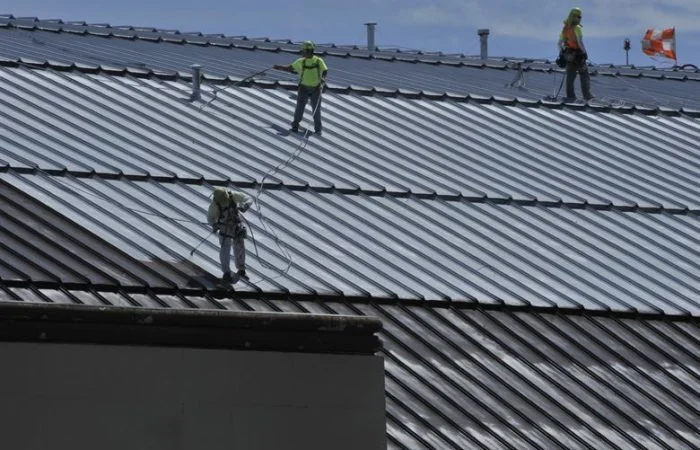
Durability sits at the centre of any commercial roofing plan. Metal roofing, especially Colorbond and zincalume steel, remains a common pick across the country. These materials resist corrosion, stand up to UV exposure and last for decades with limited upkeep. Information shared through prcbuildingservices.com.au and similar sources highlights how steel profiles handle large spans, making them well suited to wide warehouse and workshop roofs.
Insulation and Energy Efficiency
Large buildings can become uncomfortably hot, which affects both workers and stored goods. Good insulation helps manage internal temperatures and cuts cooling costs. Reflective foil layers, glass wool batts and insulated panels all work to reduce heat transfer. Many businesses now add this thermal control to meet comfort needs and lower energy bills during long summers.
Some owners also look at skylights or translucent roof sheeting to bring in natural light. This reduces the need for artificial lighting during the day, which can trim running costs across a busy site.
Drainage That Handles Australian Rain
Rainfall can arrive in sudden, heavy bursts, particularly in northern and coastal areas. A roof needs gutters, downpipes and box gutters sized to clear water quickly. Poor drainage leads to pooling, leaks and structural strain over time. Pitched roofs shed water faster, while flat or low-slope roofs require careful planning to avoid ponding.
Regular cleaning of gutters and drains keeps the system working through storm season. Blocked outlets are one of the most common causes of water damage in commercial buildings.
Compliance and Standards
All roofing work in Australia must meet the National Construction Code and relevant state regulations. Wind ratings, fire safety and structural loads all factor into approved designs. Coastal sites often need materials rated for salt exposure, while bushfire-prone zones call for non-combustible options. Working within these standards protects both the building and the people inside it.
Ongoing Maintenance
Even the toughest roof benefits from routine checks. Inspecting fasteners, sealants and flashing helps catch small problems early. Scheduled maintenance extends the life of the roof and reduces the chance of costly repairs.
A well-planned roof supports the daily running of any commercial site. By weighing climate, durability, insulation, drainage, compliance and upkeep, owners can settle on a solution that serves their building for years to come.